Billboards vs Podcasts
A billboard might be seen by thousands each day, but that does not mean anyone is engaged. Most people look for only a second or less. There is no sound, no context, no story, and no way to know if the message got through.
PODCAST-LED PRODUCT LAUNCH · CASE STUDY 02
An audience-first strategy for market traction.
Share this with someone.
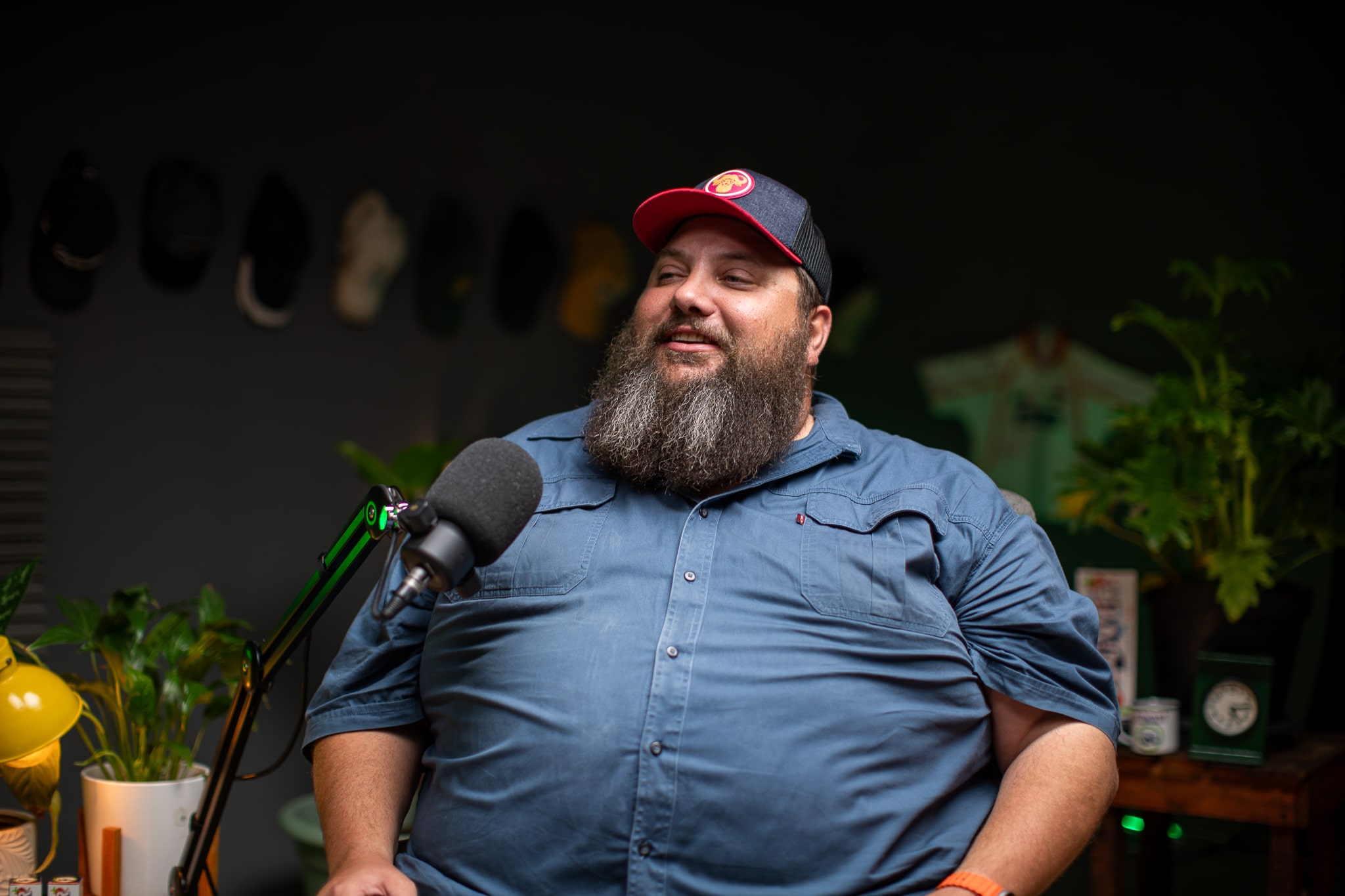
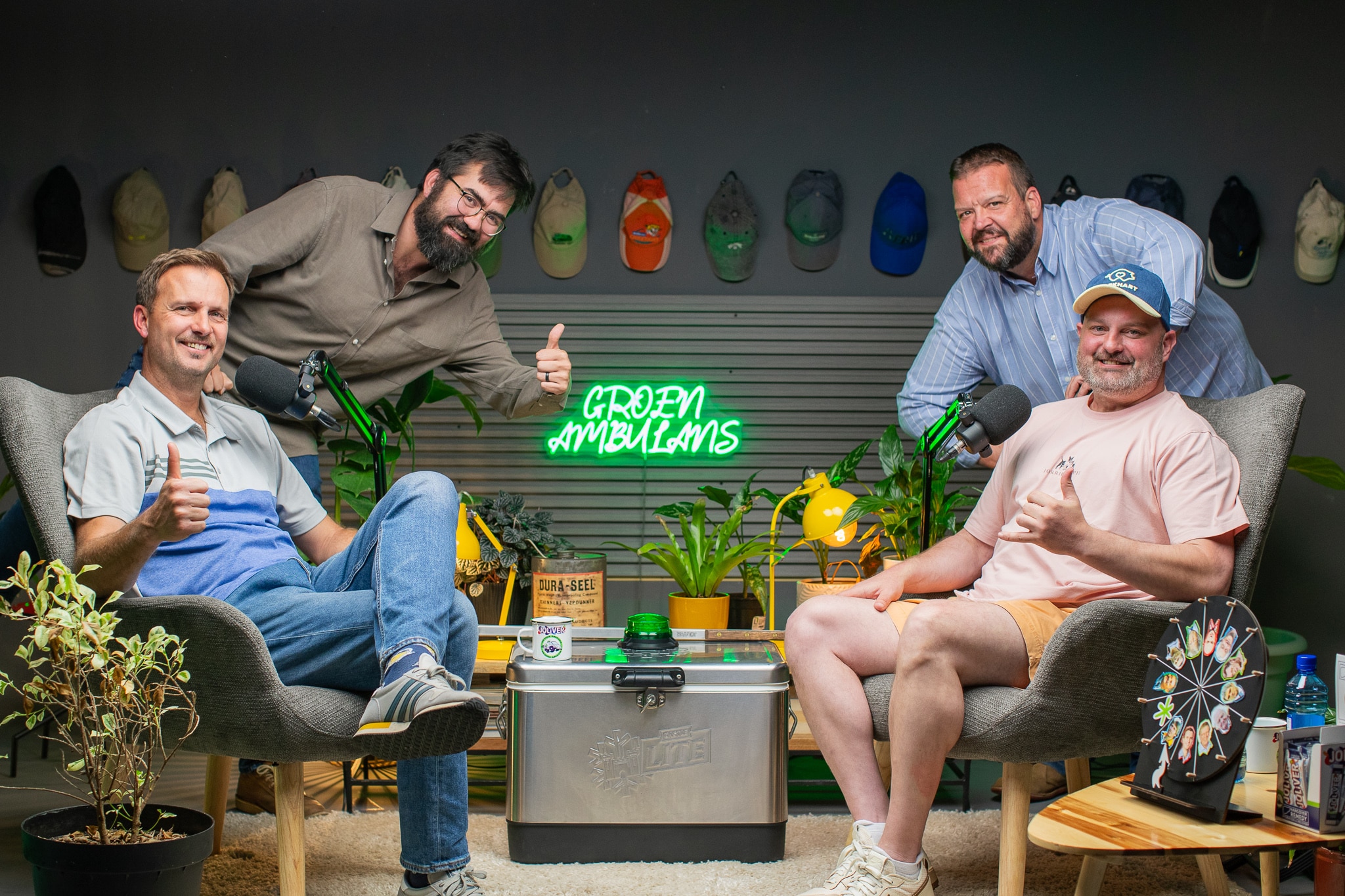
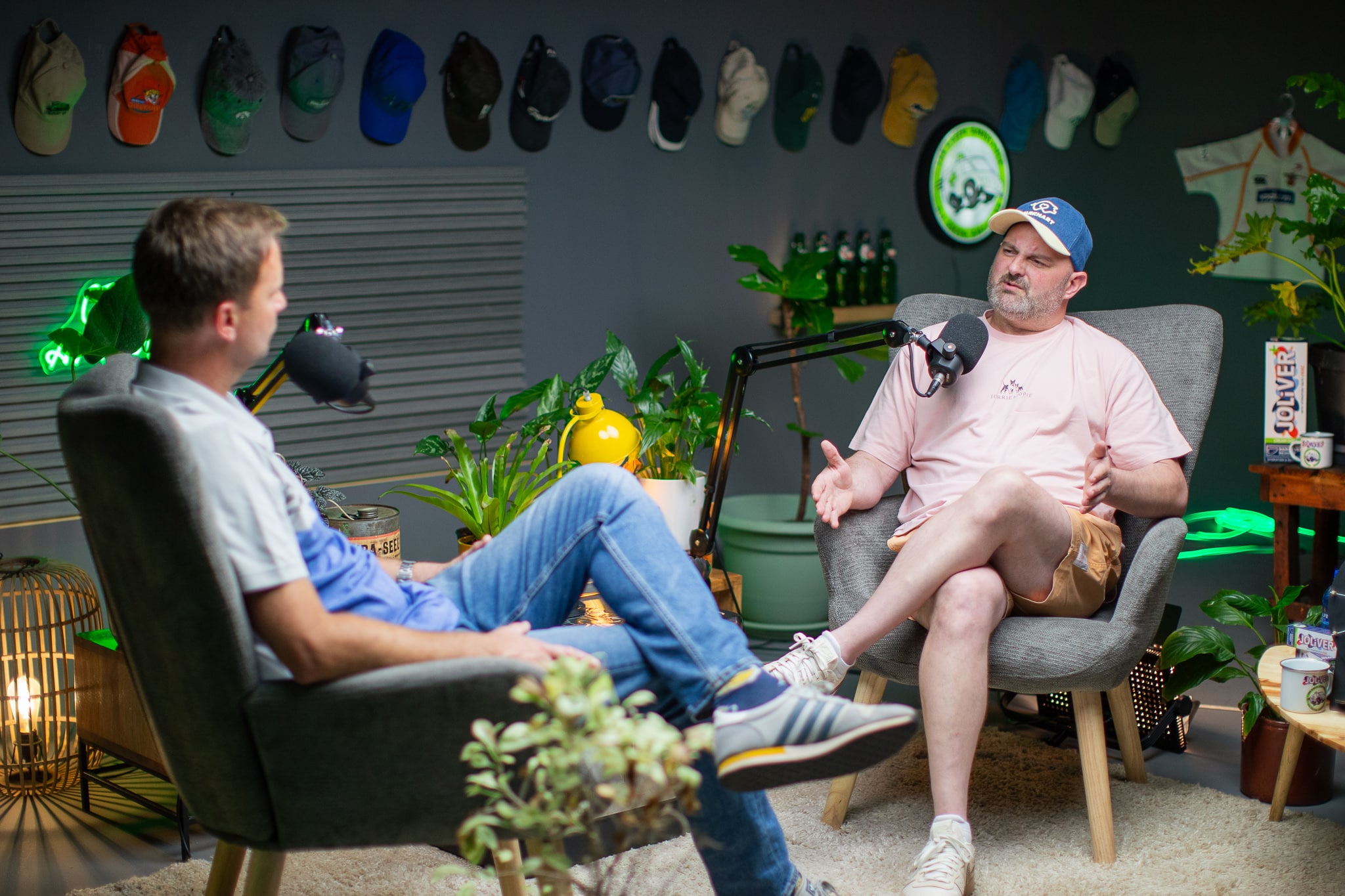
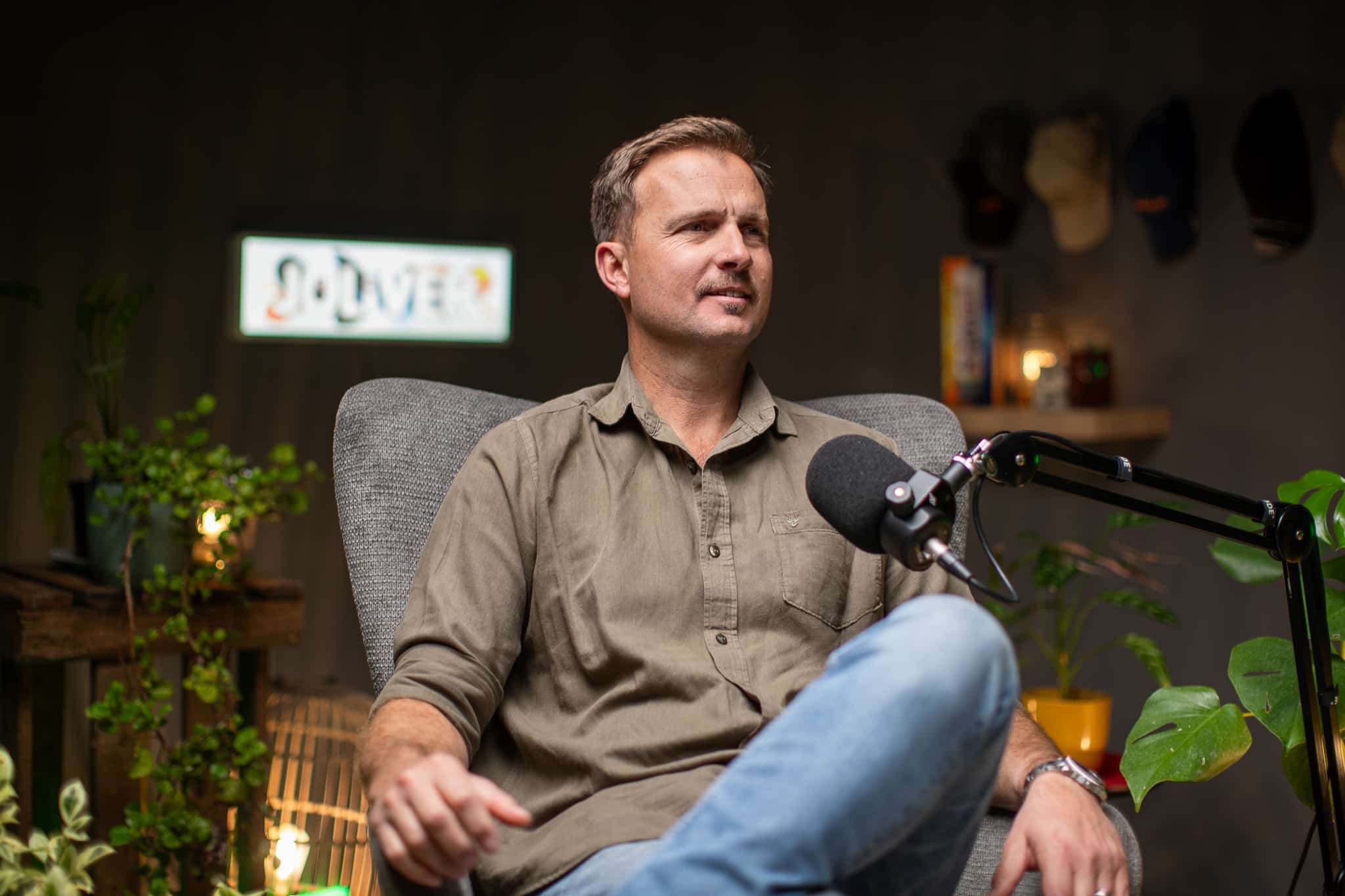
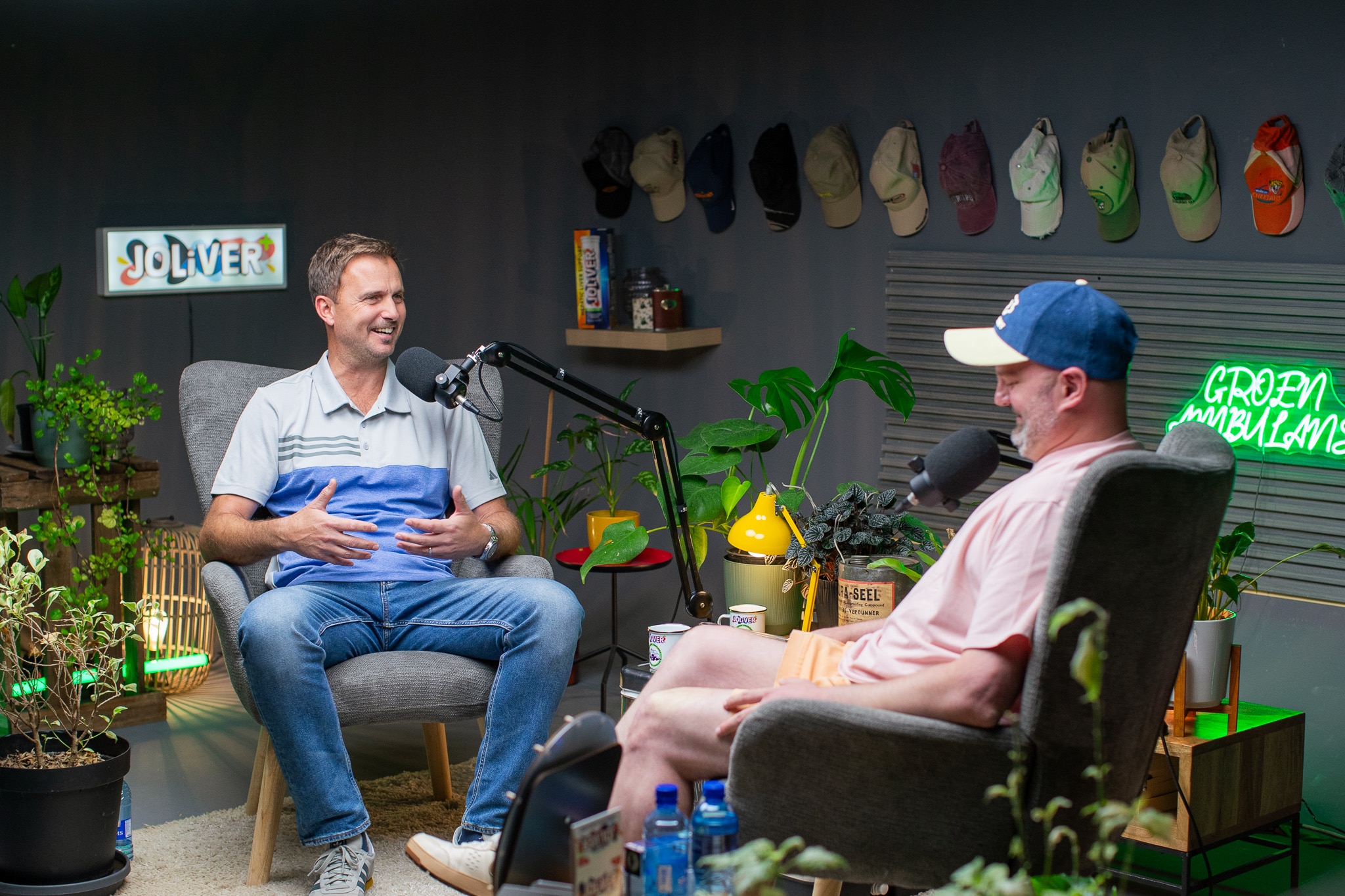
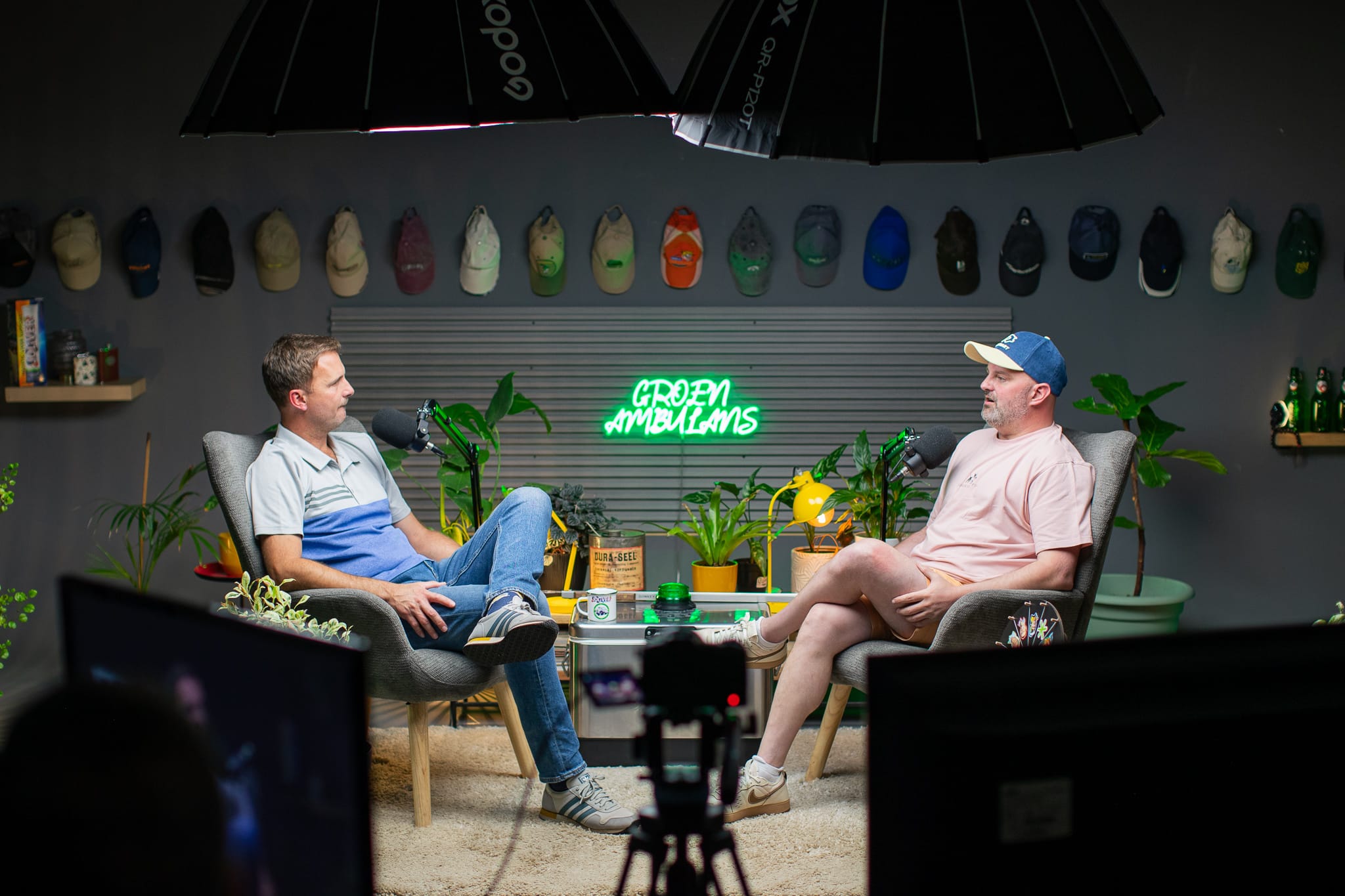
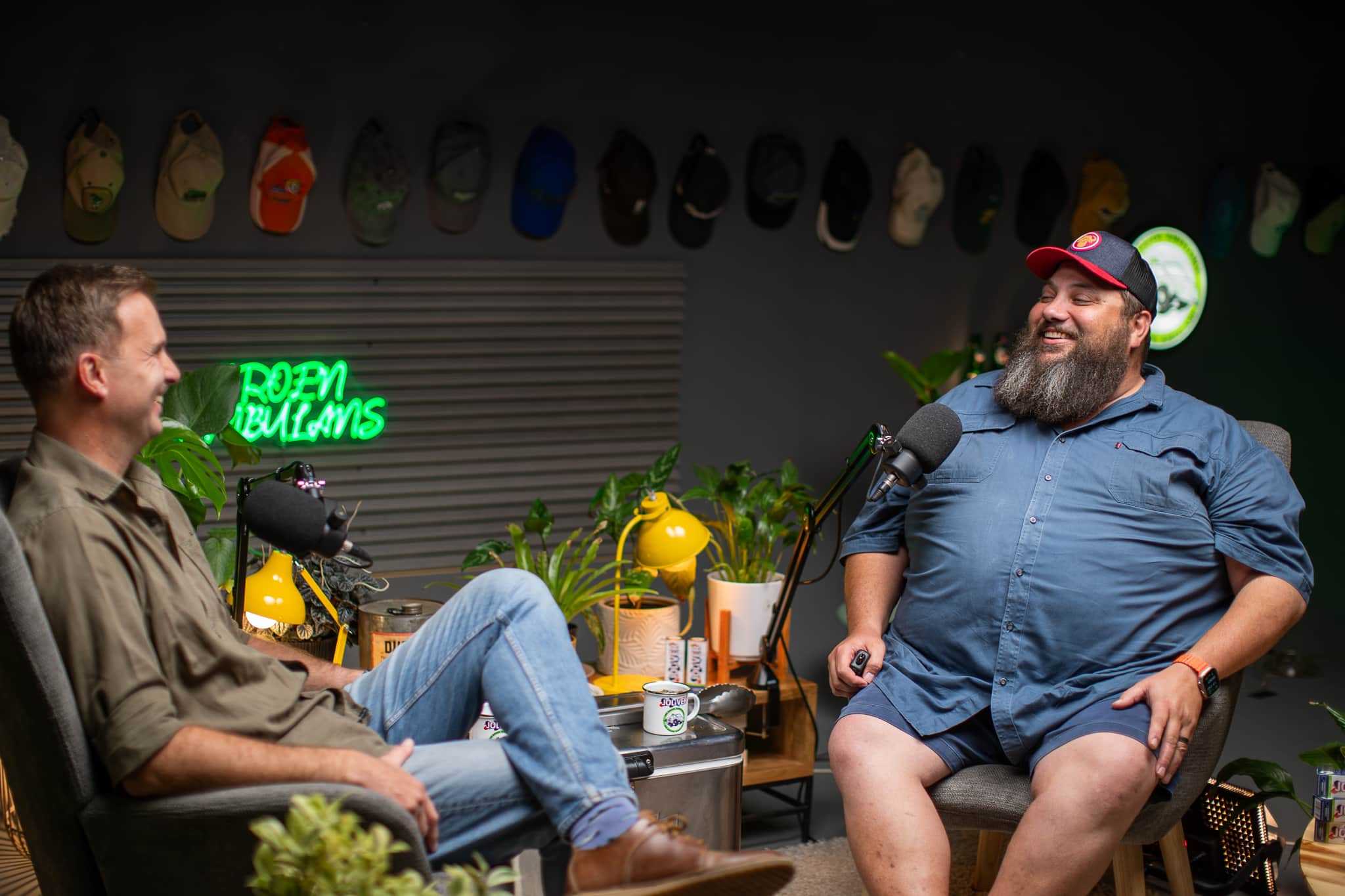
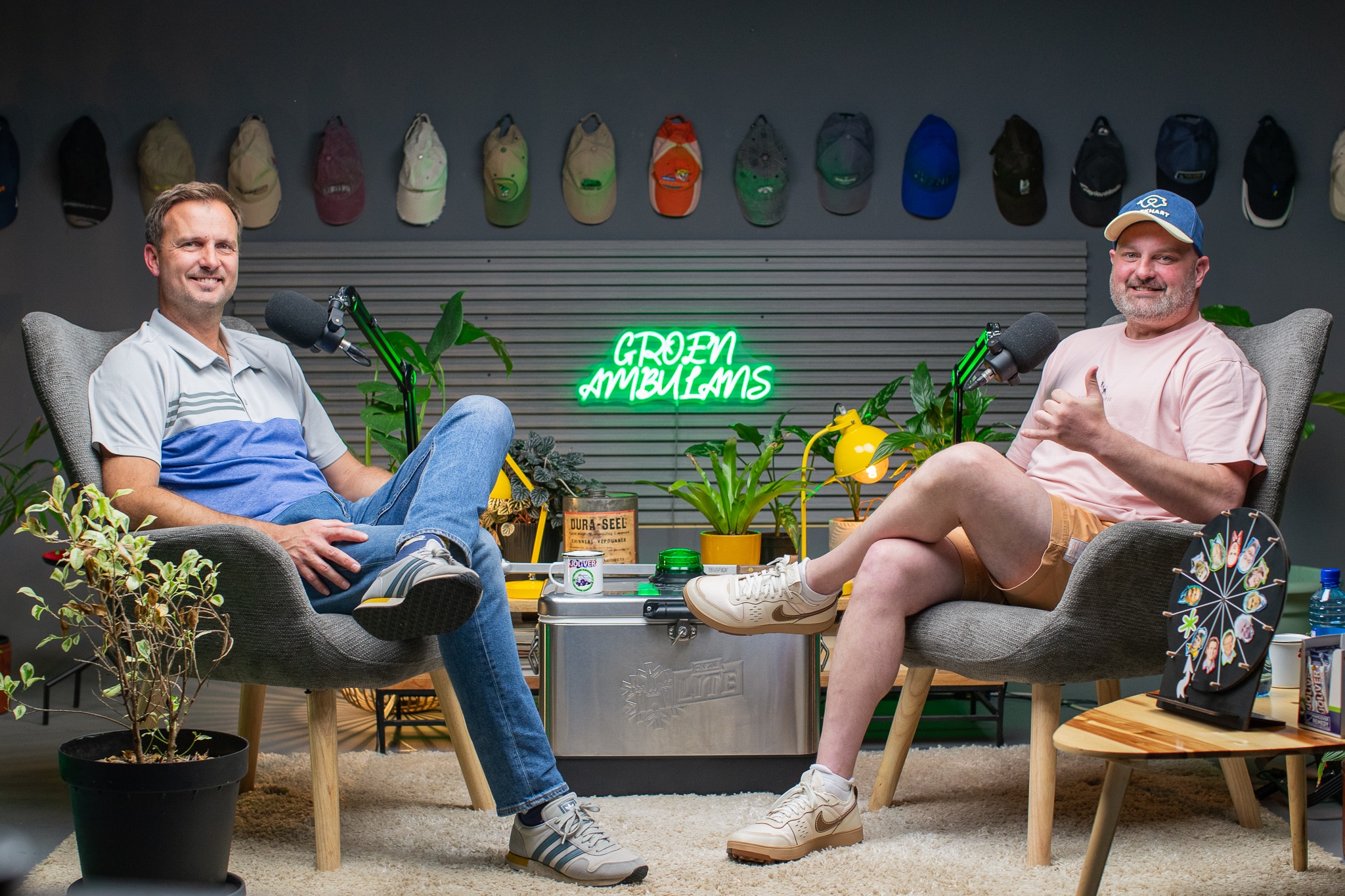
The challenge was clear: launch a new product while proving real audience traction, without relying on traditional advertising. Instead of pushing polished promotional content, we shifted the focus toward conversation and cultural relevance.
A podcast-first approach allowed the campaign to blend identity marketing, influencer voices, and relatable storytelling into something audiences actually chose to watch. Rather than interrupting feeds with ads, the content positioned the brand inside the conversation itself.
What came out of it was a different kind of product launch. We built trust, engagement, and organic momentum. The project showed that meaningful reach doesn’t always come from bigger media spend,

A billboard might be seen by thousands each day, but that does not mean anyone is engaged. Most people look for only a second or less. There is no sound, no context, no story, and no way to know if the message got through.
Most people treat brand strategy like chess — calculated, predictable, and fully visible. But in the real world, branding plays more like poker: incomplete information, shifting odds, and constant adaptation. This article explores why the best brand strategies embrace uncertainty, experiment intelligently, and focus on resilience over control — with insights drawn from unexpected brand crises and behavioural economics.
These 5 questions will help define your brand strategy and help you crush your competition.